

Product safety
Glaston’s machines are designed to withstand constant use at high utilization rates. Our production, assembly, and installation processes are designed to promote product reliability and the safety of installers and customers. At all our assembly and production units, we operate in accordance with the ISO 9001 quality management system.
We train our customers to ensure safe, efficient machine use, improving glass quality and minimizing waste.
All our machines manufactured in Europe comply with the EU Machinery Directive. The Directive requires manufacturers to carry out, among other things, a risk analysis of the machine, including possible risks to personnel during the various stages of the machine’s use.
Maintenance is essential to safety and also ensures consistent performance. Regular inspections enable our technicians to identify wear and other developing issues early, supporting proactive maintenance that improves equipment reliability, extends service life, and reduces disruption to customer operations.
Customers’ products (safety glass)
The Online Stress Calculator, OSC™, is our unique online solution to verify tempering levels and ensure all processed glass leaving the factory is safe. Using the process data that the tempering line already generates, OSC™ calculates, for every load:
- Surface stress — the compressive layer at the glass surface that gives tempered glass its strength
- Middle pane tension — the stress at the glass core, which is what actually determines how the glass fragments if it breaks
- Estimated fragmentation performance — a prediction of that fragmentation pattern, the same property checked in a physical fragmentation test

Glass for improved safety
• Safety glass – tempered or laminated – helps protect people
from injuries, as it is up to 5 times stronger than ordinary
float glass
• Tempered glass – if broken, breaks down into small, almost
harmless particles
• Laminated glass – if broken, is held in place by an interlayer
The use of safety glass is regulated by international standards. Tightening safety legislation and building codes are driving the increased demand for safety and security glass. Some examples of safety glass applications: façades, shopfront glass, balcony glass, terraces, roof glazing, insulated glass units, railings, balustrades, burglar-resistant glass, sound-insulating glass
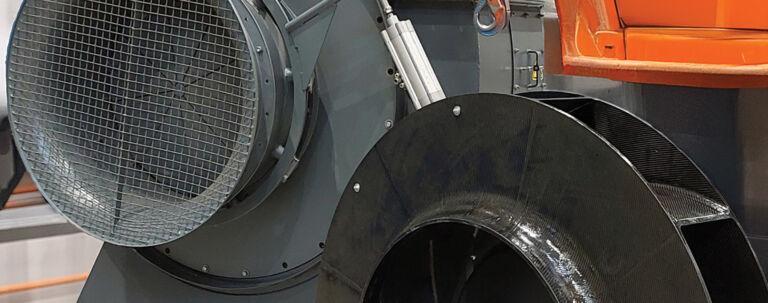
Glaston Carbon Fiber Impeller – a safer way to
cool glass. Read more here.
Safety at work
At Glaston, occupational health and safety is a key priority, and our Group-wide target is zero lost-time accidents.
We are continuously strengthening our safety culture by harmonizing safety standards, reporting practices, and near-miss management across the Group. Our approach is built on proactive risk awareness, learning, and continuous improvement. We encourage near-miss reporting to help prevent accidents and improve workplace safety. A safe work culture also means a sense of mental safety, namely that everyone considers themselves to be heard and seen as part of the work community.
We also have employees working at customer sites in installation, maintenance, and training roles. Careful planning and risk assessment before work begins help ensure safe working conditions and minimize the risk of accidents in all environments where we operate.
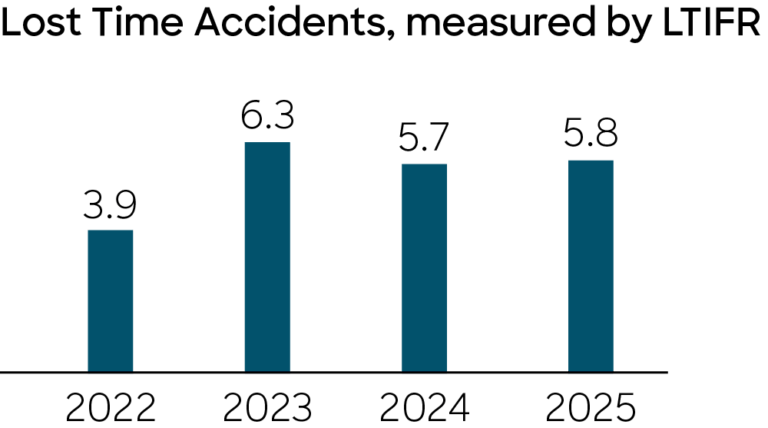
We communicate our safety performance to all employees monthly. The Board of Directors also reviews the results at its meetings. In 2025, our lost time injury frequency rate (LTIFR) was 5.8. The most common injuries involved hand-related accidents, such as cuts, and various sprains.
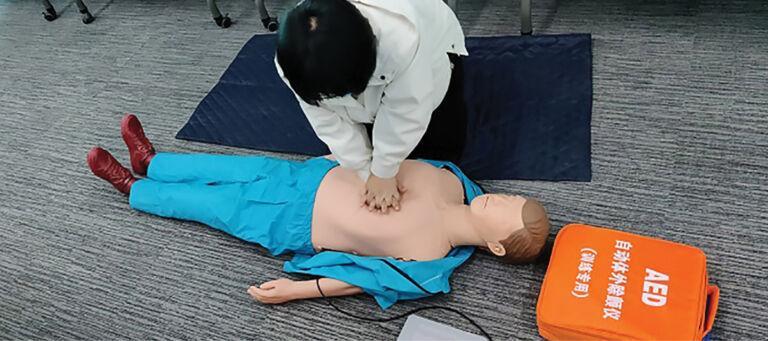
To promote safety awareness, we organize an annual Group-wide Safety Week, featuring activities such as fire drills, chemical management training, and the sharing of best practices from different operating locations.